
Glencore Expands Peru Copper Portfolio With Quechua Project Acquisition
Glencore Acquires Quechua Copper Project in Peru as Copper Deals Surge Amid Supply Concerns
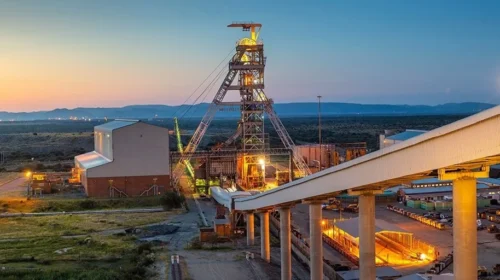
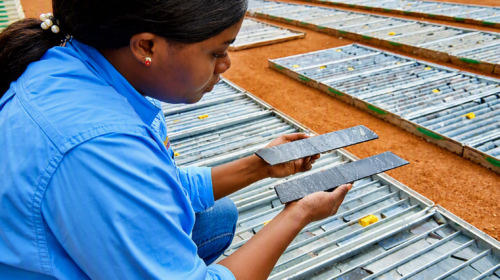
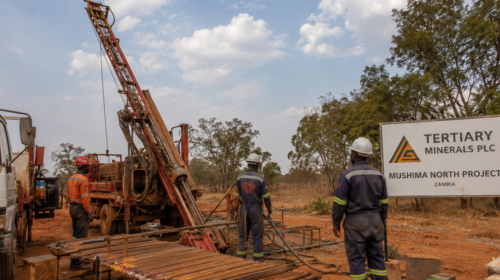
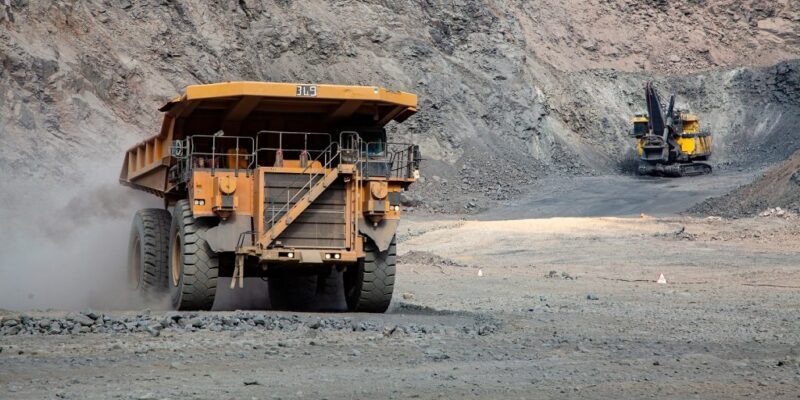
Glencore Plc has acquired a Peruvian copper mining project in what marks the country’s third major copper transaction in less than two weeks, as mining companies move aggressively to increase exposure to a metal widely expected to face long-term supply constraints.
The Swiss-based commodities group announced on Tuesday that it is purchasing the Quechua copper project in Peru’s Cusco region from Japan’s Pan Pacific Copper Co. for an undisclosed amount.
According to the Peruvian government, the development of the project is expected to require an investment of approximately US$1.3 billion.
The transaction follows two other notable copper deals in Peru earlier this month. Canada’s Rio2 Ltd. agreed to acquire the Condestable mine from Southern Peaks Mining in a deal valued at US$241 million, while Australia’s Fortescue Ltd. reached an agreement to purchase the remaining 64% stake it did not already own in Alta Copper Corp., marking its first significant expansion beyond iron ore.
This surge in deal-making comes amid near-record copper prices, driven by the metal’s critical role in electrification and the global energy transition. Copper prices have risen by more than 30% this year, supported by production disruptions, limited new supply, and the growing difficulty of permitting and developing new mines or expanding existing ones.
Glencore’s latest acquisition aligns with its broader strategy to nearly double its global copper production. The company is strengthening its footprint in Peru despite ongoing challenges, including sporadic protests against mine expansions, heightened tensions between local communities and mining operators, and a rise in informal mining activity in certain regions.
The recent transactions also underscore mining companies’ willingness to navigate Peru’s complex regulatory environment, where it can take decades to advance a project from exploration to full-scale production.
The Quechua project, which was previously undeveloped by Pan Pacific Copper, complements Glencore’s existing assets in the region, including the Antapaccay mine and the planned Coroccohuayco project.
“The asset should carry greater value for Glencore, which can leverage existing infrastructure in the district, similar to its strategy for Coroccohuayco,” Bloomberg Intelligence analysts Alon Olsha and Grant Sporre said in a research note.
Glencore’s Antapaccay mine began production in 2012 and produced approximately 146,000 metric tons of copper last year. The company also holds a 34% stake in Peru’s Antamina mine, one of the world’s largest copper operations, alongside partners BHP Group, Teck Resources Ltd., and Mitsubishi Corp.